The Medical Device Automation Engineer Shortage Isn’t Getting Better. Here’s What to Do About It.
Medical device manufacturers can’t fill senior automation engineer roles fast enough. Vacancies run 60-180 days. The fractional model puts senior-level experience from 96+ projects on the project immediately, at project-based cost, without the hiring delay or long-term salary overhead.
- Senior automation engineer roles in medical device manufacturing sit open 60-180 days because the shortage is structural, not a hiring cycle.
- The candidates who know GAMP, equipment procurement and IQ/OQ/PQ are already employed and aren’t looking.
- Recruiting harder raises salaries for the same small candidate pool. It doesn’t add candidates.
- A fractional automation engineer puts senior experience on the project right away, at project cost, then hands knowledge to your team.
The job posting is 90 days old. Management approved the headcount. Recruiters are searching. And the production line is still waiting for the automation engineer who’s supposed to run the GAMP documentation process and get the equipment specified, procured, and validated.
I talk to manufacturers every week who’ve had the role posted for 3 months. Meanwhile, management is asking for a timeline, quality is asking who handles the validation documentation, and the junior engineer is trying to figure out a URS they’ve never written before.
This isn’t a story about bad recruiters or unrealistic job descriptions. The senior automation engineer shortage in medical device manufacturing is structural. The talent pool for this role isn’t growing fast enough to match demand. And the strategies that worked 10 years ago aren’t working now.
So what do you actually do about it?
What’s Actually Driving the Shortage?
US medical device manufacturing employment hit 122,312 in 2026, growing at a 5.4% compound annual rate over 5 years, according to IBISWorld. The broader medical instrument and supply sector added another 304,700. That growth is real. The hiring pipeline to support it isn’t.
Here’s the disconnect. Companies aren’t just looking for someone who can program a PLC. They need an engineer who can write a URS that prevents change orders, manage an automation vendor through FAT and SAT, produce GAMP documentation that holds up under FDA scrutiny, and execute IQ/OQ/PQ. That profile requires 7-12 years of experience in FDA-regulated manufacturing. Not 2. Not 5.
The people who have it aren’t looking.
A KiTalent analysis of the medical device talent market in 2026 found that 85% of qualified validation engineers are not actively searching for new roles. Unemployment in the niche runs below 1.5%. And it’s not just happening in one region. From San Diego to Galway to Guadalajara, every medical device manufacturing cluster is fighting for the same scarce profiles.
The competition goes wider than you’d think. Semiconductor manufacturers, aerospace, and pharma all recruit from the same automation engineering talent pool. A senior controls engineer programming Siemens S7 or Rockwell ControlLogix is equally valuable to a diagnostics manufacturer and a chip fabrication plant. When TSMC and Intel are hiring in the same labor market, medical device companies are bidding against budgets that dwarf theirs.
How Long Are These Roles Actually Sitting Open?
60-180 days, depending on geography and seniority. That’s not a guess. Regional hiring data backs it up.
In Münster, Germany, one of Europe’s densest MedTech manufacturing clusters, the average vacancy period for specialist production engineers runs 143 days according to a KiTalent analysis. In Shah Alam, Malaysia, senior automation engineer searches average 180 days. In Tijuana, the best-case scenario for regulatory and validation roles is 68 days, and that’s for companies willing to recruit from other cities.
The US market isn’t any friendlier.
Automation Engineer Salary Ranges by Level (US, 2026)
| Level | Base Salary Range | Loaded Cost | Experience Required |
|---|---|---|---|
| Automation Engineer I | 115k | 160k | 3-5 years |
| Senior Automation Engineer | 165k | 230k | 8-12 years |
| Principal Automation Engineer | 210k+ | 290k+ | 12+ years |
Sources: Careerscape 2026 Salary Guide, Sterling Engineering, ZipRecruiter, live job postings (LSI Solutions, Flex, Medtronic, Tegra Medical).
And here’s the part that makes recruiting even harder. According to Deloitte’s Medical Device Talent Survey, cited in a KiTalent analysis of Guadalajara’s diagnostics manufacturing cluster, 65% of validation engineers who try to resign get counter-offered by their current employer. In many cases, they accept. You’re not just competing for attention. You’re competing against the employer who already has them.
Wage inflation for validation and automation roles in medical device manufacturing runs 12-15% annually. That number comes from KiTalent’s analysis of multiple manufacturing hubs. It’s outpacing productivity gains. And it’s not slowing down.
What Does an Unfilled Automation Engineer Role Actually Cost?
More than the salary you’re saving by not filling it.
An Onrec analysis found that 60% of medical device companies miss innovation windows because of hiring delays. That’s not a soft metric. A missed window means a delayed product launch, a CDMO contract deadline you can’t hit, or a competitor that got to market while your automation project sat in a holding pattern.
In regulated manufacturing, the costs compound fast:
- Production stays manual longer than planned. Per-unit costs stay elevated. At 5,000-10,000 units, that gap between manual and automated production adds up to real money every month.
- Capital expenditure freezes. Management approved the budget for equipment. But nobody can write the URS to start procurement, so the money sits committed and unspent while the timeline slips.
- Validation documentation falls behind. Quality starts asking uncomfortable questions about who’s going to handle the trace matrix, the FAT/SAT protocols, the IQ/OQ/PQ packages. If nobody owns it, the documentation gets assembled after the fact. That’s how 483 observations happen.
- The junior engineer gets handed the project. Not because they’re ready. Because there’s nobody else. They write the URS as a wish list instead of a requirements document. The vendor quotes come back inflated and incomparable. Change orders start before the machine is built.
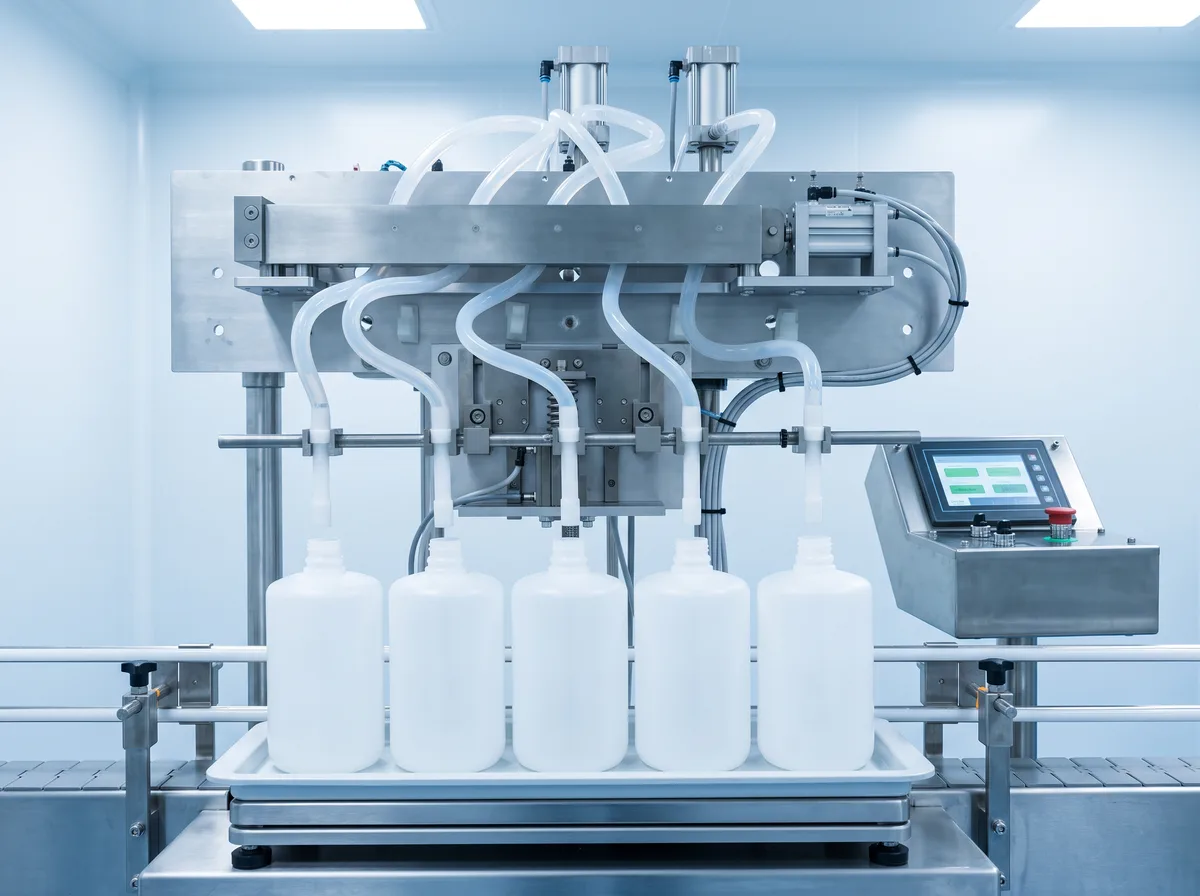
I’ve seen this play out on projects where the company waited 6 months to hire, then spent another 6 months recovering from documentation gaps the junior engineer didn’t know how to prevent. At a previous company, an engineer purchased a cheap industrial filling machine without following a GAMP process. The quality team couldn’t answer basic questions about validation, lot-to-lot contamination testing, or fill volume verification when it came time for FDA review. Retrofitting that machine to operate within a validated process wasn’t easy, inexpensive, or fast.
It was, however, avoidable.
Why Recruiting Harder Won’t Fix This
The talent pool for senior automation engineers with GAMP documentation experience in medical device manufacturing isn’t growing fast enough to meet demand. Recruiting harder just increases the bidding war for the same candidates who are already employed, already counter-offered, and already not looking.
Think about it differently. If there are 100 people in the country who can write a proper URS for a 200 PPM filling line, manage the vendor through FAT, and produce validation documentation that’ll hold up to FDA scrutiny, posting the role on LinkedIn for another 30 days doesn’t create candidate 101. It just raises the salary for candidates 1 through 100.
There’s a paradox happening across the industry that KiTalent has documented in multiple regional analyses. Manufacturers are investing in automation to solve their labor shortage. But automation creates demand for a different type of engineer that’s even scarcer than the manual labor it replaced. Grand Rapids, Galway, Tijuana, Münster, Shah Alam. Same pattern, different geography. You can’t automate a line without the controls engineer. And there aren’t enough controls engineers.
Every staffing firm and recruiter writing about this topic reaches the same conclusion: partner with us to find the right hire. That’s fine if the hire exists and you can afford to wait.
But what if the project can’t wait?
The Fractional Automation Engineering Model
A fractional automation engineer is a senior engineer who embeds with the manufacturer’s team for the duration of the project, manages the entire equipment procurement lifecycle from URS through IQ/OQ/PQ, transfers knowledge and SOPs to the internal team, and moves on.
No permanent headcount added. No $180k+ salary between projects. No 60-120 day hiring delay.
I’m biased here. I run a fractional automation engineering practice, so of course I think the model works. But the math backs it up.
MEPSCo provides a fractional automation engineer for medical diagnostic manufacturers, IVD companies, and CDMOs who need to automate production but don’t have the senior engineering expertise on staff to run the project. I bring 25+ years and 96+ completed equipment procurement and validation projects to each engagement. I sit on the manufacturer’s side of the table, not the vendor’s. The person writing the specs shouldn’t be selling the equipment.
What the engagement actually looks like:
- Step 1: Customer interviews to capture what the manufacturer actually needs. Not what they think they need.
- Step 2: Budgetary URS and vendor quotes. Management gets a real number.
- Steps 3-6: Full URS, vendor selection, equipment development, FAT/SAT, and IQ/OQ/PQ documentation. 22 proprietary document types, refined across 96+ projects.
- Steps 7-8: SOPs, knowledge transfer, junior engineer training. Then I’m out.
The junior engineer takes over sustaining activities at the right level. The company gets senior-level execution on the project and junior-level cost on maintenance. Neither role is wasted.

During the COVID pandemic, I managed the qualification of multiple 200 PPM filling machines for a DOD contract at Hologic, including units in the US and UK. $150M in equipment validated in one year. No change orders on the primary machine. That happened because the specs were right before the vendor started building. The documentation process, the 22 document types, the vendor management, the trace matrix, all of it existed before the first purchase order went out.
You have to pay for the experience. The question is whether you pay for it through a project engagement or through a 6-month vacancy and the rework that follows.
Fractional vs. Full-Time vs. Junior Engineer: A Real Comparison
Every manufacturer weighing this decision is comparing three options. Here’s how they actually stack up:
| Factor | Full-Time Senior Hire | Junior Engineer (Internal) | Fractional Senior Engineer |
|---|---|---|---|
| Time to start | 60-180 days (if findable) | Already on staff | Days |
| Annual cost | 290k+ loaded | Lower salary, higher total cost (rework, delays, extended timelines) | Project-based (~10% of equipment cost) |
| GAMP documentation depth | Depends on who you find | Learning on the job | 96+ projects, 22 document types, proven process |
| Change order risk | Low if experienced | High (URS gaps, vendor misalignment) | Low (specs are right before procurement starts) |
| After the project ends | Carrying $180k+ with no project pipeline (or they leave) | Returns to other duties | Knowledge transferred, SOPs in place, engineer moves on |
| Attrition risk | High. Senior engineers leave when projects dry up. | High. They leave for better opportunities. | None. Engagement ends by design. |
When Fractional Makes Sense (and When It Doesn’t)
I’d rather be direct about this than pretend fractional is the answer for every manufacturer. It isn’t.
Fractional fits when:
- You’re scaling from manual to automated production and need someone to run the first procurement project correctly. This is the scenario where the learning curve costs the company the amount it could have saved.
- Your senior automation engineer role has been open 60+ days with no qualified candidates.
- You need the semi-automation vs. full automation assessment done before committing to a $500k+ equipment purchase.
- Quality is asking who handles validation documentation and nobody has an answer.
Fractional doesn’t fit when:
- You have 10+ concurrent automation projects that need a permanent bench of senior engineers. That’s an in-house team.
- You already have a full-time senior automation engineer and your pipeline keeps them busy year-round. Don’t fix what isn’t broken.
- You’re not in FDA-regulated manufacturing. The GAMP documentation process exists for regulated environments. If you don’t need it, you don’t need this model.
If you have a full-time senior automation engineer, someone with 96+ projects of pattern recognition who’s happily employed and not going anywhere, you probably don’t need me. But that person is exactly who you can’t find, which is why you’re reading this article.
The Shortage Isn’t Going Away. The Question Is What You Do Next.
Medical device manufacturing employment grew 5.4% over 5 years. The pipeline of senior automation engineers with GAMP and validation experience didn’t grow with it. That gap opened years ago. It’s still widening.
You can keep the job posting up and hope candidate 101 appears. You can hand the project to a junior engineer and absorb the change orders. Or you can bring in senior-level experience on a project basis, get the equipment specified, procured, and validated correctly, and let the junior engineer take over sustaining activities with proper documentation and SOPs in place.
If you’re looking at an automation project and trying to decide between those options, that’s exactly the conversation I have with manufacturers every week. Book a Manufacturing Automation Assessment and we’ll scope what the engagement would look like for your project.
What Manufacturers Ask About the Automation Engineer Shortage
How long does it realistically take to hire a senior automation engineer for medical device manufacturing?
60-180 days depending on your location, the seniority level, and whether GAMP documentation experience is required. Regional talent analyses from KiTalent show 143-day average vacancies in dense MedTech clusters like Münster and even longer in Asia-Pacific hubs. If you need someone with real equipment procurement and validation experience in FDA-regulated manufacturing, plan for the higher end of that range. The role description isn’t the problem. The candidate pool is.
Can a junior engineer handle GAMP documentation and equipment procurement?
Technically, yes. Practically, it’s expensive. A junior engineer writing their first URS will produce a wish list, not a requirements document. That’s where change orders start. One round of change orders on a mid-size equipment purchase can run 200k+. The junior engineer isn’t the wrong person for the role. They’re the wrong person for the role right now, on this project, without senior oversight.
What’s the difference between a fractional automation engineer and a contractor from a staffing agency?
Pattern recognition. A staffing agency sends a resume and hopes it works out. A fractional automation engineer brings 96+ completed projects of experience, a proprietary documentation process, 15+ vendor relationships, and a methodology tested across 25+ years. The fractional engineer isn’t filling a seat. They’re running the project.
Does the fractional model work for smaller projects?
Two units. Under 2 months. Carlsbad CMO with a foamy reagent and an odd-shaped bottle. That’s one of the smaller projects I’ve completed. The rigor is the same regardless of project size. Smaller projects actually benefit more from the fractional model because you’d never justify a full-time hire for a 6-week engagement.
What happens to the equipment after the fractional engineer leaves?
That’s the design. I build the system, assist with validation, write the SOPs, train the junior engineer, and move on. The documentation and processes left behind are the deliverable. The company doesn’t need me to stay for the equipment to keep running. If something comes up after handoff, I’m available for sustaining support on a project basis. But the goal is to work myself out of the job.
The Bottom Line
The shortage isn’t going away. Bring in senior experience for the project, then let your own engineer sustain it.
Reza Bashar at MEPSCo GAMP provides fractional automation engineering for medical diagnostic manufacturers, IVD companies and CDMOs, from URS development through IQ/OQ/PQ. If you have an automation project and an open role, reach out directly.